
Planning a kitchen remodel means facing some serious financial decisions. You’ve probably heard horror stories about projects that spiral out of control, budgets that double, and homeowners who wish they’d known what they were getting into before signing contracts. Right now, you’re probably wondering where all that money actually goes and whether you can afford to create the kitchen you’re dreaming about without mortgaging your future.
Let’s break down exactly where your money disappears during a full kitchen remodeling project so you can plan intelligently and avoid surprises. Understanding the costliest part of your renovation helps you allocate funds wisely, make informed choices about where to splurge versus save, and dodge the sticker shock that derails so many kitchen dreams halfway through construction when it’s too late to turn back.
Kitchen Cabinetry Eats the Biggest Chunk of Your Budget
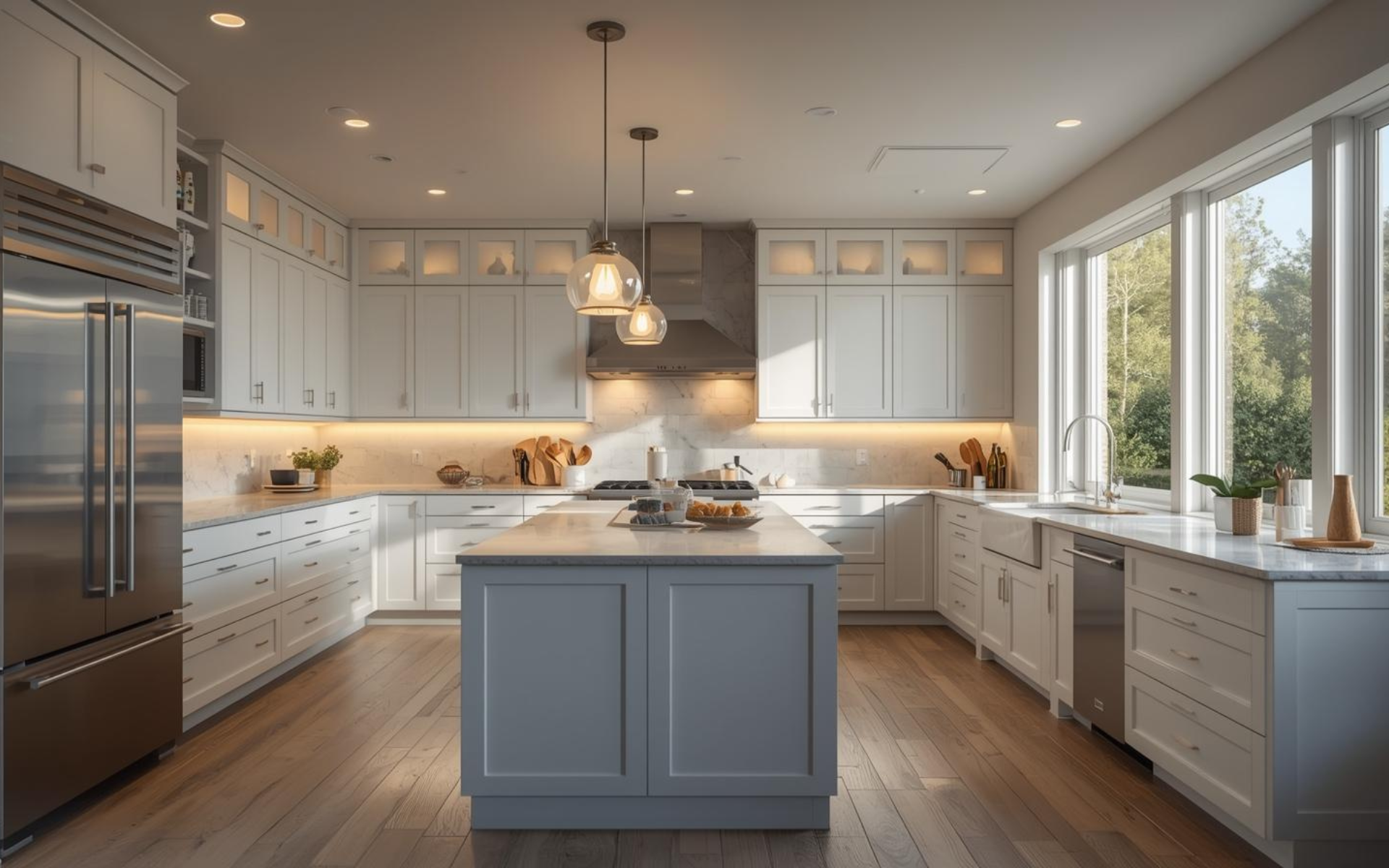
When it comes to kitchen renovation expenses, cabinets consistently claim the top spot for devouring your hard-earned money. Typically, cabinetry accounts for 30% to 40% of your total kitchen remodel cost, which means if you’re spending $50,000 on your project, somewhere between $15,000 and $20,000 goes straight to the boxes that hold your dishes and food. This biggest expense makes sense when you consider that cabinets cover massive wall space, require precision manufacturing, and serve as the visual foundation for your entire kitchen aesthetic that guests notice the moment they walk into your home.
Custom cabinets push costs even higher because they’re built specifically for your space with exact measurements, personalized features, and materials you select down to the hardware. Stock cabinets from big box stores run cheaper at $60 to $200 per linear foot, while semi-custom options fall in the $100 to $650 range, and fully custom design pieces can easily hit $500 to $1,500 per linear foot depending on wood species, finish quality, and special features like soft-close drawers or pull-out organizers that make daily cooking more convenient. According to Angi, cabinet costs vary dramatically based on materials, with solid wood commanding premium prices compared to particleboard or MDF options that save money but sacrifice longevity and often show wear within just a few years of heavy use.
Surface Materials and Granite Countertops Add Up Fast
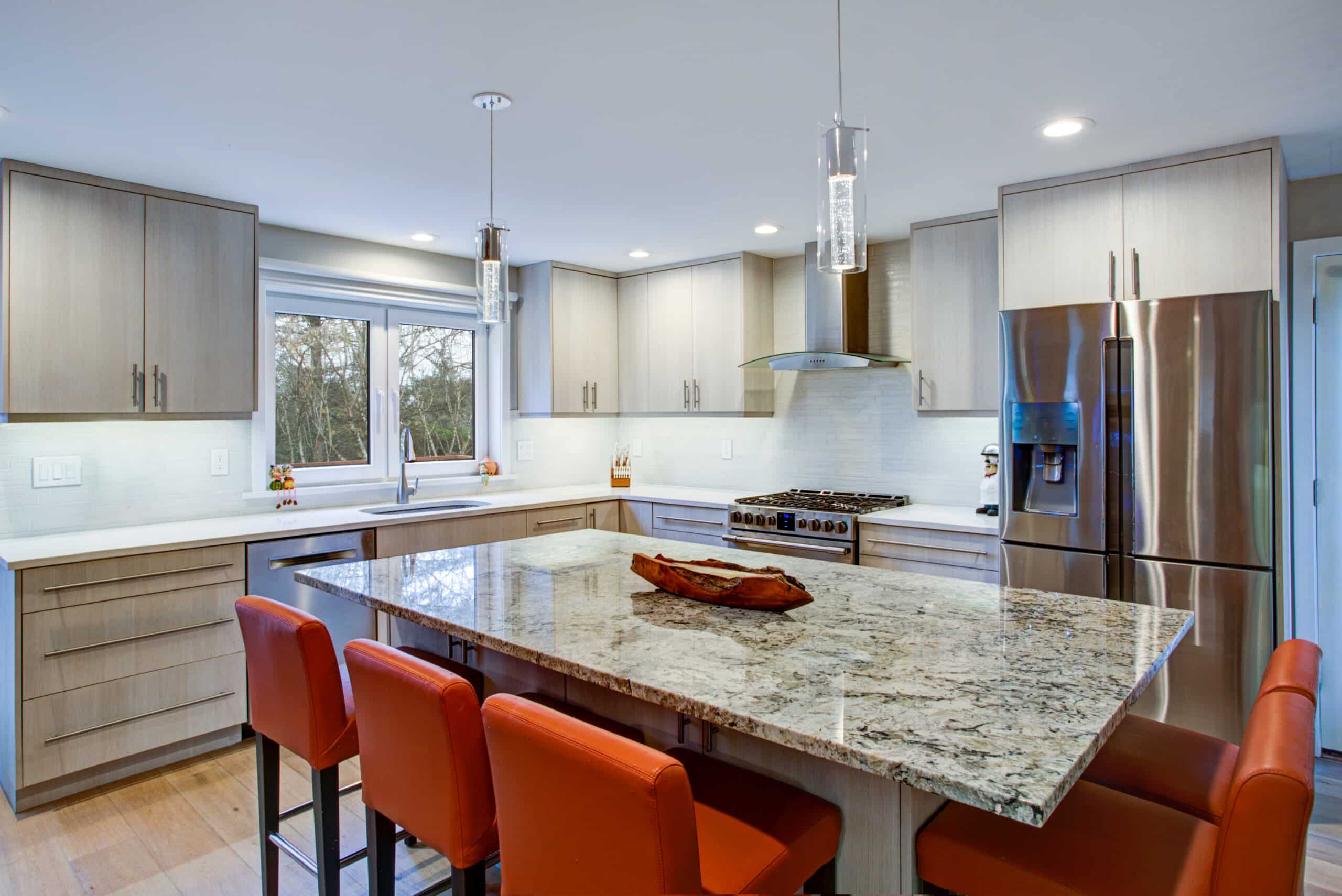
Right behind cabinets in the budget battle, kitchen countertops represent another major investment that can make or break your kitchen remodeling budget before you even get to appliances or flooring. Surface materials vary wildly in price, with granite countertops falling somewhere in the middle-to-upper range at $40 to $200 per square foot installed, depending on the specific stone type, edge detail, and complexity of your layout, with cutouts for sinks and cooktops that require precise measuring and cutting.
Comparing Popular Countertop Options
Beyond granite, your countertop choices span an enormous price spectrum that affects both immediate costs and long-term value in ways most people don’t consider until they’re already committed. Laminate surfaces start around $10 to $40 per square foot and work well for tight budgets, though they don’t offer the same resale value or longevity as stone options that can last literally decades with basic care. Quartz engineered surfaces run $50 to $150 per square foot and provide water-resistant properties with minimal maintenance, making them increasingly popular for busy families who cook frequently and don’t have time for complicated sealing schedules. Marble brings that luxury aesthetic at $40 to $200 per square foot, but requires more careful maintenance to prevent staining and etching from acidic foods like tomatoes and citrus that are staples in most cooking.
According to HGTV, the average countertop installation adds $3,000 to $8,000 to your total project cost, though high-end materials in large kitchens can easily double or triple that figure when you’re covering expansive islands and long runs of perimeter counter space.
High-End Appliances
Kitchen appliances represent the third major expense category in most kitchen renovations, especially when homeowners decide they want professional-grade equipment that matches what they see on cooking shows. A basic appliance package with a standard refrigerator, range, dishwasher, and microwave runs $2,000 to $8,000 for mid-range brands, but upgrade to fancy stainless steel models with smart features, and that number jumps to $10,000 or more before installation costs even enter the equation.
Installation Adds Kitchen Remodel Costs
When planning your appliance budget, think beyond just the purchase price because installation adds significant costs depending on what infrastructure changes you need to accommodate new equipment. Installing a gas range where you previously had electric requires running gas lines, which involves complex plumbing work and potentially expensive permits that add hundreds or thousands to your final bill. Built-in espresso machines, warming drawers, wine refrigerators, and other specialty items add elegant touches that serious home cooks appreciate, but each addition compounds your overall spending and pushes your project further from affordable territory into the luxury realm, where costs spiral faster than you imagined possible.
Labor Costs Often Exceed What You Spend on Materials
Here’s what surprises most homeowners planning their first house renovation: labor frequently costs more than the materials themselves, sometimes by substantial margins. Skilled trades like electricians, plumbers, tile setters, and cabinet installers command premium hourly rates because their work requires years of training and directly impacts your home’s safety and functionality in ways that can’t be fixed with YouTube tutorials. In many markets, labor accounts for 20% to 35% of your total kitchen remodel cost, though this percentage shifts depending on how much you’re spending on ultra-premium materials versus standard options that don’t require as much specialized handling.
Kitchen design complexity dramatically affects labor expenses because intricate layouts with multiple angles, unusual ceiling heights, or structural modifications require more time and expertise to execute properly without creating problems. Moving a sink across the room means rerouting plumbing through floors or walls, which takes substantially more labor hours than installing a new sink in the existing location, where all the infrastructure already exists. Removing a wall to create an open concept design requires structural engineering, beam installation, and potentially expensive HVAC rework to maintain proper airflow throughout your home.
Kitchen Flooring and Other Essential Elements
Flooring Material Choices
While flooring typically represents a smaller percentage of your overall budget compared to cabinets or counters, it still demands careful consideration because costs vary enormously based on material selection. Luxury vinyl plank flooring offers budget-friendly installation at $3 to $7 per square foot and handles kitchen abuse beautifully with water-resistant properties that protect against spills and splashes. Hardwood flooring brings warmth and elegant appeal to kitchens at $8 to $25 per square foot installed, but requires more maintenance and shows wear faster in high-traffic areas around the sink and stove, where water and heat take their toll over the years of use.
Hidden Costs in Plumbing and Electrical
Behind your walls, plumbing and electrical work represent hidden expenses that catch many homeowners completely off guard during renovations, when they thought they had everything budgeted. Moving your sink location requires rerouting drain lines and water supply pipes, which might mean cutting into floors, reworking venting systems, and dealing with complex plumbing that costs $1,000 to $3,000 or more, depending on distance and obstacles. Electrical upgrades become necessary when you’re installing modern kitchen appliances that demand more power than your existing system provides, especially in older homes built decades ago.
Permits, Inspections, and Fees You Didn’t Expect
Beyond the obvious material and labor expenses, full kitchen remodeling projects involve administrative costs that many first-time renovators forget to budget until contractors remind them these expenses exist:
- Building permits typically run $500 to $2,000, depending on your location and project scope
- Failed inspections mean paying contractors to return and fix issues before proceeding
- Dumpster rental for demolition debris costs $300 to $800 for typical kitchen projects
- Eating out more frequently during construction quietly drains your budget
- Design fees from kitchen professionals range from free consultations to $5,000 or more for comprehensive planning
Save Money Without Sacrificing Quality Results
Understanding where money goes helps you identify opportunities to trim expenses without compromising final results that you’ll live with for years. Keeping your existing layout saves thousands on plumbing and electrical work because pipes and wires stay where they are instead of requiring expensive rerouting through walls and floors. Choosing semi-custom cabinets over fully custom design pieces cuts costs while still giving you personalized sizing and features that fit your space better than stock options from big box stores.
Strategic Material Selection
With granite countertops and other surfaces, selecting more common stone varieties instead of exotic imports delivers the same durability and beauty at significantly lower price points that leave more money for other upgrades. Local granite quarried closer to your location costs less to transport than slabs shipped across oceans, and choosing simpler edge profiles like eased or beveled edges instead of fancy ogee or waterfall details reduces fabrication time and material waste. Mixing materials strategically by using granite countertops on your island and perimeter while choosing butcher block or laminate for less visible prep areas gives you the look you want, where it matters most.
Timing Makes a Financial Difference
When you schedule your kitchen renovation significantly impacts costs because contractor availability and material pricing fluctuate throughout the year in predictable patterns. Winter months from January through March typically bring lower demand for remodeling work, which means contractors compete for projects and might offer better rates or throw in upgrades to secure your business. Kitchen ideas that incorporate current stock items instead of special-order materials keep costs down and timelines shorter because you’re not waiting weeks for custom pieces to arrive.
Transform Your Kitchen With Expert Guidance
Full kitchen remodeling represents a significant financial commitment that deserves careful planning and expert guidance from professionals who’ve navigated these projects hundreds of times. From custom cabinets to granite countertops to appliances, each element contributes to creating the kitchen you’ve always wanted while building equity in your home.
At Mudosi Kitchen and Bath, we’ve helped countless homeowners navigate the complexities of kitchen renovations with transparent pricing, expert kitchen design services, and skilled installation that brings your vision to life without the stress and confusion. As your most trusted brand partner and one of the top local contractors in the area, we guide you through every decision from initial planning to final walkthrough, ensuring your project stays on budget and on schedule while delivering grand results that exceed expectations. Contact us today for a free consultation.